Keeping your digestive system healthy is key to feeling good. A balanced gut microbiome is vital. It affects digestion and even your mental state.
If you’re new to gut health, start with the basics. Prebiotics, probiotics, and fiber are must-haves. Prebiotics feed good bacteria, while probiotics add new ones. Fiber keeps your bowels regular and helps good bacteria grow.
These three work together to keep your gut balanced. This improves your digestive health and overall well-being.
Key Takeaways
- Prebiotics, probiotics, and fiber are crucial for maintaining a healthy gut.
- A balanced gut microbiome is essential for overall well-being.
- Prebiotics serve as food for beneficial bacteria.
- Probiotics introduce new beneficial bacteria into the gut.
- Fiber helps regulate bowel movements and supports beneficial bacteria growth.
The Fundamentals of Gut Health
The balance of the gut microbiome is key for digestive health and more. Keeping the gut balanced is vital for our overall health. An imbalance, or dysbiosis, can cause many health problems, like digestive issues and other conditions.

What Is the Gut Microbiome?
The gut microbiome is a complex mix of bacteria, viruses, and fungi. These tiny life forms are crucial for digestion, immune function, and even mental health.
Why Your Gut Health Matters for Overall Wellness
Gut health is closely tied to our overall wellness. A healthy gut microbiome boosts our immune system, makes vitamins, and helps digest food. As Dr. Emeran Mayer says,
“The gut is not just a digestive organ; it’s a key player in our overall health and well-being.”
Common Signs of an Unhealthy Gut
Spotting an unhealthy gut is easy. Signs include bloating, gas, stomach pain, and changes in bowel movements. If you keep getting these symptoms, it’s time to check your gut health.
Gut Health for Beginners: Prebiotics, Probiotics & Fiber — What Really Works?
For those new to gut health, it’s key to understand how prebiotics, probiotics, and fiber work together. These elements are the base of a healthy digestive system.
The Three Pillars of Gut Health
Prebiotics, probiotics, and fiber are the core of gut health. Prebiotics are fibers that feed good bacteria, helping them grow. Probiotics are live, good bacteria that improve gut balance. Fiber keeps bowel movements regular and supports the digestive system.
- Prebiotics: Nourish beneficial bacteria
- Probiotics: Introduce beneficial bacteria
- Fiber: Regulates bowel movements and supports digestive health
How These Elements Work Together
Together, prebiotics, probiotics, and fiber create a powerful effect for a healthy gut. Prebiotics feed probiotics, and fiber keeps digestion smooth.
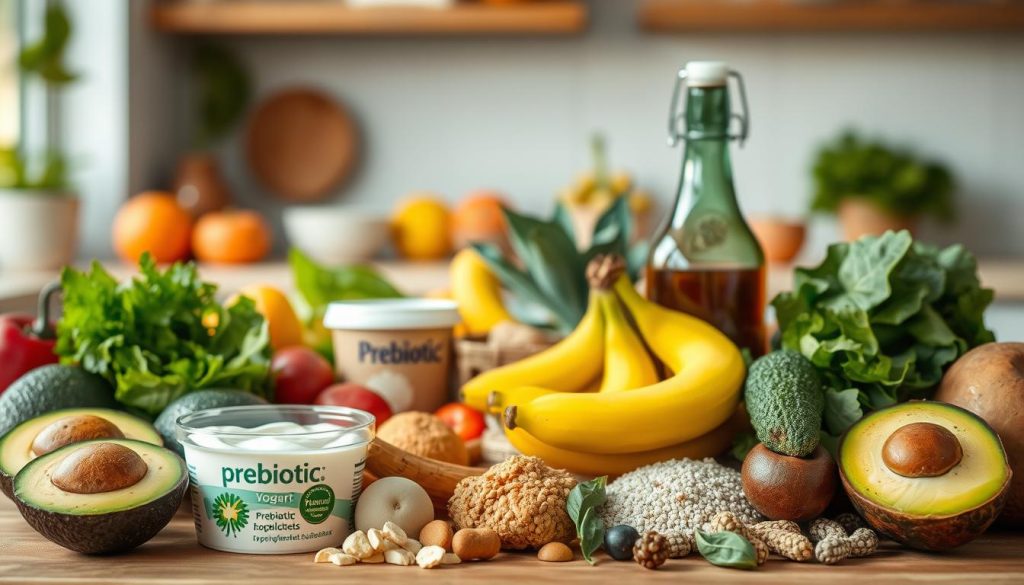
Setting Realistic Expectations for Improvement
Improving gut health takes time. It’s important to have realistic goals. By adding prebiotics, probiotics, and fiber to your diet, you can see improvements over time.
Getting Started with Probiotics
Looking to boost your gut health? Knowing about probiotics is key. Probiotics are live microorganisms that offer health benefits when taken in the right amounts. They are called “good” or “friendly” bacteria because they keep your gut healthy.
What Are Probiotics and How Do They Function?
Probiotics fill your gut with healthy bacteria. This helps push out bad bacteria and boosts your digestion. They also strengthen your gut barrier, reducing inflammation and improving gut health.
Key Probiotic Strains and Their Benefits
Different probiotic strains offer unique benefits. For instance, Lactobacillus and Bifidobacterium are common types. Lactobacillus helps with lactose intolerance, while Bifidobacterium strengthens the gut barrier.
| Probiotic Strain | Benefits |
|---|---|
| Lactobacillus | Aids in lactose digestion, supports immune system |
| Bifidobacterium | Improves gut barrier function, reduces inflammation |
Food Sources vs. Supplements: What’s More Effective?
Probiotics are in fermented foods like yogurt and sauerkraut, or in supplements. Supplements give a stronger dose of probiotics.
How to Select and Use Probiotic Supplements
Choose a probiotic supplement with various strains and a high CFU count. Always check the expiration date to ensure the probiotics are active.
By adding probiotics to your daily routine, you can greatly improve your gut health and overall well-being.
Incorporating Prebiotics into Your Diet
Adding prebiotics to your daily meals can greatly improve your gut health. Prebiotics are special fibers that feed the good bacteria in your gut. This helps keep your gut microbiome healthy.
Understanding Prebiotic Fibers and Their Role
Prebiotic fibers are parts of food that your body can’t digest. They help the good bacteria in your gut grow. This is key for a balanced gut microbiome and good health.
Top 10 Prebiotic-Rich Foods to Add to Your Meals
Eating foods rich in prebiotics is a tasty way to boost your gut health. Here are the top 10 foods to try:
- Asparagus
- Bananas
- Onions
- Garlic
- Whole Wheat Bread
- Oats
- Barley
- Apples
- Berries
- Leafy Greens
Recommended Daily Intake for Optimal Results
There’s no set daily amount for prebiotics, but 5-10 grams per day is good for your gut. You can get this by eating a variety of prebiotic-rich foods.
Simple Ways to Increase Your Prebiotic Consumption
It’s easy to get more prebiotics in your diet. Try adding bananas or berries to your oatmeal for breakfast. Sprinkle garlic or onions on your meals for flavor and health benefits. Try new recipes with prebiotic-rich foods to keep your meals exciting.
Mastering Dietary Fiber for Digestive Health
Learning about dietary fiber is key for good digestion and avoiding stomach problems. It helps with digestion, feeling full, and controlling blood sugar. There are two types: soluble and insoluble.
Soluble vs. Insoluble Fiber: What’s the Difference?
Soluble fiber turns into a gel when mixed with water. It slows down digestion and lowers cholesterol. You can find it in oats, barley, nuts, and fruits like apples and berries.
Insoluble fiber doesn’t mix with water. It makes stool bulkier, helping you go to the bathroom regularly. You can find it in whole grains, veggies, and wheat bran.
Calculating Your Personal Fiber Needs
The amount of fiber you need changes with age and sex. The aim for 25-30 grams per day is a good rule. Think about your age, sex, and health when figuring out your fiber needs.
Gradually Increasing Fiber to Avoid Discomfort
To avoid stomach upset, slowly add more fiber to your diet. Start with a little bit of high-fiber foods and increase it slowly. This helps your gut adjust and prevents bloating and gas.
Fiber-Rich Recipes for Breakfast, Lunch, and Dinner
Adding fiber-rich foods to your meals can be tasty and simple. Here are some ideas:
- Oatmeal with fruits and nuts for breakfast
- Whole grain salads with vegetables and legumes for lunch
- Grilled chicken or fish with roasted vegetables and quinoa for dinner
Here are some specific recipes:
“Start your day with a fiber-rich breakfast: Mix 1/2 cup cooked oatmeal with 1/2 cup mixed berries, 1 tablespoon almond butter, and 1 tablespoon chia seeds.”
Creating Your 7-Day Gut Reset Plan
A 7-day gut reset plan is a great way to start improving your digestive health. It involves checking your gut health, removing bad foods, adding good foods, and balancing meals for better digestion.
Step 1: Assessing Your Current Gut Health
Start by looking at your digestive health. Keep a food diary to track what you eat and any symptoms. This helps find foods that might be causing problems.
Step 2: Eliminating Gut-Disrupting Foods
Get rid of foods that can harm your gut, like processed foods, sugary drinks, and foods with a lot of saturated fats. These can cause inflammation and upset your gut’s balance.
Step 3: Introducing Gut-Friendly Alternatives
Add foods that are good for your gut, such as asparagus and bananas, and yogurt and kefir. These foods help balance your gut’s health.
Step 4: Balancing Your Plate for Optimal Digestion
Make sure your meals have a mix of protein, healthy fats, and complex carbs. This mix is key for good digestion and absorbing nutrients.
Complete 7-Day Meal Plan with Shopping List
Here’s a sample 7-day meal plan to help you start:
- Monday: Oatmeal with banana and almond milk
- Tuesday: Grilled chicken with roasted vegetables
- Wednesday: Lentil soup with whole grain bread
- Thursday: Smoothie bowl with spinach, berries, and almond milk
- Friday: Grilled salmon with quinoa and steamed broccoli
- Saturday: Vegetable stir-fry with tofu and brown rice
- Sunday: Breakfast burrito with scrambled eggs, black beans, and avocado
Your shopping list should include foods that are good for your gut, lean proteins, and a variety of fruits and vegetables.
By following this 7-day gut reset plan, you can start improving your gut health and overall well-being. Remember to drink plenty of water and listen to how your body reacts to the new diet.
Lifestyle Habits That Support Gut Health
Our daily choices greatly affect our gut health. This includes sleep, stress, exercise, and how much water we drink. Making smart choices in these areas can boost our digestive health and overall health.
Establishing a Gut-Friendly Sleep Routine
Getting enough sleep is key for a healthy gut. Bad sleep can mess with our gut bacteria, causing stomach problems. To sleep better, try:
- Keeping a regular sleep schedule
- Creating a calm bedtime space
- Staying off screens before bed
Stress-Reduction Techniques for Better Digestion
Too much stress can harm our gut health. It can change our gut bacteria and slow down digestion. To reduce stress, try:
- Meditation and mindfulness
- Yoga and deep breathing
- Doing things you enjoy to relax
Exercise Recommendations for Improved Gut Motility
Exercise is important for a healthy gut. It helps move food through our system and keeps digestion going well. Good exercises include:
- Aerobic activities like walking or cycling
- Strength training for better health
- Yoga or Pilates for flexibility
Hydration Strategies Throughout the Day
Drinking enough water is crucial for our gut. It helps prevent constipation and keeps our gut moving. To stay hydrated, try:
- Drinking water all day
- Eating hydrating foods like fruits and veggies
- Limiting drinks that dry us out, like caffeine and alcohol
By adding these habits to our daily lives, we can greatly improve our gut health. This can make our lives better overall.
Troubleshooting Common Digestive Issues
Many people face problems like bloating, diarrhea, and heartburn. These issues can really disrupt our daily lives. It’s important to find ways to solve them.
Natural Remedies for Bloating and Gas
Bloating and gas can be really uncomfortable. Peppermint oil, ginger, and chamomile tea might help. Also, eating foods with probiotics, like yogurt and kefir, can help your gut.
- Peppermint oil capsules
- Ginger tea
- Chamomile tea
- Probiotic-rich foods like yogurt and kefir
Managing Constipation and Diarrhea
Constipation and diarrhea can be managed. Eating more fiber, drinking water, and avoiding certain foods are key steps.
- Increase fiber intake gradually
- Stay hydrated by drinking plenty of water
- Avoid foods that trigger symptoms
Addressing Heartburn and Acid Reflux
Heartburn and acid reflux can be managed too. Avoiding certain foods, eating smaller meals, and not lying down after eating helps. Ginger and aloe vera juice can also offer relief.
Key strategies include:
- Avoiding trigger foods like citrus and spicy foods
- Eating smaller, more frequent meals
- Not lying down after meals
When to Consult a Healthcare Professional
If digestive problems don’t go away or get worse, see a doctor. They can give you advice and treatment plans tailored to you.
“Persistent digestive issues should not be ignored. Consulting a healthcare professional can lead to a proper diagnosis and effective treatment plan.”
Separating Fact from Fiction: Gut Health Myths
Exploring gut health means knowing what’s real and what’s not. The internet is full of wrong information. It’s hard to tell what’s true and what’s not.
Do Cleanses and Detoxes Actually Work?
Cleanses and detoxes are popular, but do they work? They aim to remove toxins, but our bodies already have ways to get rid of waste. The liver and kidneys work hard to clean us out, making these programs unnecessary.
“The body has its own natural detoxification processes, and there’s limited evidence to support the effectiveness of detox diets or cleanses.”
The Truth About Kombucha and Fermented Foods
Kombucha and fermented foods are popular for their health benefits. They do have probiotics, which help gut health. But, the proof of their overall benefits is still lacking.
| Food | Probiotic Content | Potential Benefits |
|---|---|---|
| Kombucha | Varied probiotic strains | May aid digestion |
| Yogurt | Lactobacillus and Bifidobacterium | Supports gut health |
| Sauerkraut | Varied probiotic strains | May boost immune system |
Are All Food Sensitivities Related to Gut Health?
Not all food sensitivities are about gut health. But, some are. For example, lactose intolerance isn’t about gut health. Yet, some food sensitivities can show gut problems.
Debunking Popular Internet Gut Health Claims
The internet is full of gut health claims. From supplements to foods to avoid, it’s important to be careful. Look for solid evidence before believing anything.
Advanced Strategies for Persistent Gut Issues
For those dealing with ongoing gut problems, advanced strategies can be a big help. If simple steps to improve gut health don’t work, it’s time to try more complex methods.
Elimination Diets: How to Identify Food Triggers
One effective strategy is the elimination diet. It helps find out which foods cause gut problems. By removing and then adding back foods, you can figure out what’s bothering you.
Working with Specific Conditions (IBS, SIBO, Leaky Gut)
Conditions like IBS, SIBO, and leaky gut need special care. Knowing the details of each condition is key to finding the right treatment. This way, you can tackle the root of your gut health issues.
Functional Testing Options to Consider
Functional testing offers deep insights into gut health. It looks at biomarkers and gut function indicators. This info helps craft a focused plan for better gut health.
Integrating Conventional and Alternative Approaches
Combining traditional medicine with alternative therapies is a smart move. This mix can lead to better gut health. It uses the best of both worlds to help you feel better.
Measuring Your Progress and Adjusting Your Approach
To get the most from gut health tips, it’s key to track your progress and tweak your plan as needed. As you focus on improving gut health, it’s important to notice changes in your body. This helps figure out what strategies work best for you.
Creating an Effective Symptom Tracking System
Begin by keeping a symptom journal. Note your digestive health, energy, and any discomfort. This will show you patterns and how your diet and lifestyle affect your symptoms.
Interpreting Changes in Digestion and Energy
Keep an eye on changes in digestion and energy. Seeing these improve means your gut health efforts are paying off.
When to Pivot Your Strategy for Better Results
If you don’t see the results you want, it might be time to adjusting approach. Try different probiotics, prebiotics, or foods. Remember, improving gut health takes time and effort.
Setting Long-Term Gut Health Goals
Setting achievable long-term goals keeps you motivated and focused. Whether it’s better digestion or more energy, clear goals guide your actions.
By regularly measuring progress and making changes, you can reach and keep your gut health at its best.
Conclusion: Building Sustainable Gut Health Habits
Improving gut health takes time, effort, and the right steps. Learning about gut health basics is key. Adding prebiotics, probiotics, and fiber to your diet helps a lot. Also, adopting healthy lifestyle habits can greatly improve your wellness.
For those new to gut health, start with small steps. Begin by adding probiotic-rich foods or supplements to your diet. Then, slowly increase your intake of prebiotics and fiber. As you get better, aim for a balanced diet and a healthy lifestyle that supports your gut health.
Creating lasting gut health habits is essential. This means making smart choices about what you eat and how you live. Pay attention to how your body reacts and adjust your plan as needed. This will help you reach and keep your gut health goals.
Choosing sustainable gut health habits boosts your digestive health and overall happiness. Keep working on your gut health journey. Enjoy the benefits of a balanced and thriving gut microbiome.