Did you know that a sedentary lifestyle can significantly increase the risk of chronic diseases, including heart disease and diabetes? According to the Centers for Disease Control and Prevention (CDC), adults should aim for at least 150 minutes of moderate-intensity aerobic exercise weekly. However, with increasingly busy schedules, finding time for lengthy workouts can be challenging.
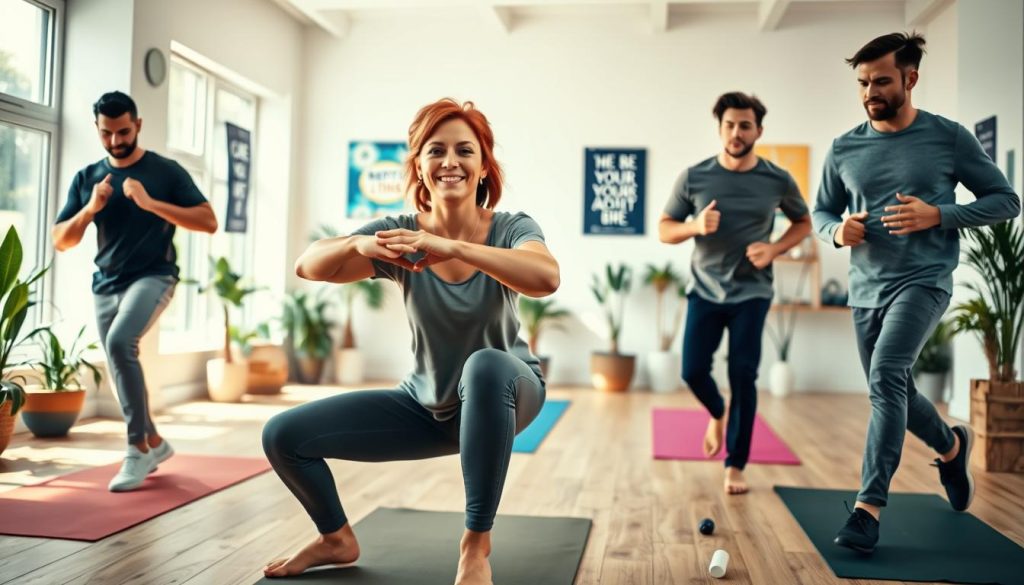
Incorporating quick exercises into your daily routine can be a game-changer. Movement snacks, or short bursts of physical activity, can help reduce sedentary habits and boost overall health. Even micro-workouts as short as 5-10 minutes can make a significant difference.
By integrating these short activities into your day, you can improve your fitness and increase energy levels without needing a gym or lengthy workout sessions.
Key Takeaways
- Short bursts of physical activity can reduce sedentary habits.
- Incorporating quick exercises into your daily routine can boost overall health.
- Micro-workouts can be as short as 5-10 minutes and still be effective.
- Regular movement snacks can improve fitness and increase energy levels.
- Simple daily activities can make a significant difference in overall health.
The Hidden Dangers of Sedentary Living
The dangers of a sedentary lifestyle are multifaceted, affecting both our physical and mental well-being. A study performed in 2020 found that 31% of the global population over 15 years old engages in insufficient physical activity, with a total of 7.7 hours spent per day being sedentary. This alarming statistic underscores the need to understand the risks associated with prolonged inactivity.
Physical Health Consequences
A sedentary lifestyle is linked to various physical health issues. Two significant concerns are the increased risk of chronic diseases and musculoskeletal problems.
Increased Risk of Chronic Diseases
Prolonged inactivity is associated with a higher risk of developing chronic diseases such as heart disease, diabetes, and certain types of cancer. Regular physical activity is crucial for maintaining cardiovascular health and metabolic function.
Musculoskeletal Problems
Inactivity can lead to musculoskeletal issues, including back pain, weakened muscles, and reduced bone density. Engaging in regular movement can help mitigate these risks by strengthening muscles and improving bone health.
Mental Health Impact
In addition to physical health consequences, a sedentary lifestyle also has significant mental health implications. These include stress and anxiety effects, as well as productivity and focus challenges.
Stress and Anxiety Effects
Sedentary behavior is linked to increased levels of stress and anxiety. Physical activity is known to reduce stress by releasing endorphins, which are chemicals in the brain that act as natural painkillers and mood elevators.
Productivity and Focus Challenges
A lack of physical activity can affect cognitive function, leading to challenges with productivity and focus. Regular movement is essential for maintaining mental clarity and improving concentration.

Understanding the risks associated with a sedentary lifestyle is the first step towards making a change. By incorporating more physical activity into daily routines, individuals can significantly reduce their risk of developing these health issues.
What Are Micro-Workouts and Movement Snacks?
Micro-workouts, also known as movement snacks, are short bursts of physical activity that can be easily integrated into a busy lifestyle. These brief exercises are designed to combat sedentary behavior and improve overall health.
Defining Micro-Workouts
The Concept of Exercise Snacking
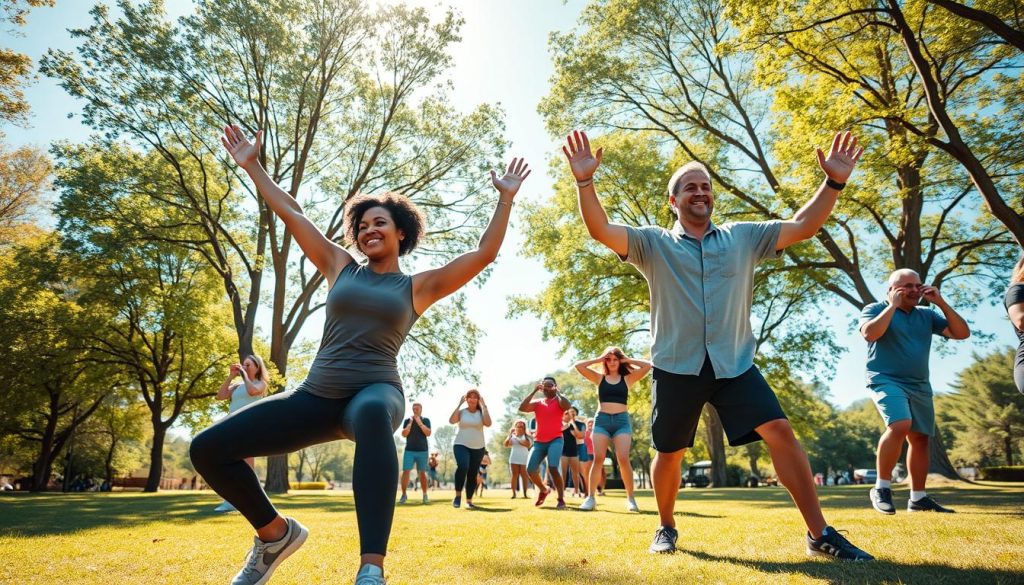
Exercise snacking refers to the practice of incorporating short periods of physical activity into one’s daily routine. This concept is based on the idea that frequent, brief bouts of exercise can be just as beneficial as longer, more traditional workouts.
Difference from Traditional Workouts
Unlike traditional workouts that often require a significant time commitment, micro-workouts are designed to be quick and efficient. They can be done anywhere, at any time, making them ideal for individuals with busy schedules.
The Science Behind Short Exercise Bursts
Research on HIIT and Micro-Exercise
Research has shown that High-Intensity Interval Training (HIIT) and micro-exercise can have significant health benefits. Studies have found that these short bursts of activity can improve cardiovascular health, increase metabolism, and enhance overall fitness.
Metabolic Benefits of Brief Activity
Brief periods of physical activity have been shown to have a positive impact on metabolic health. By incorporating micro-workouts into their daily routine, individuals can experience improvements in insulin sensitivity, glucose metabolism, and energy levels.
Benefits of Incorporating 5-10 Minute Movement Sessions
Regular 5-10 minute movement sessions can boost energy levels and improve overall well-being. Incorporating these short exercise bursts into daily routines can have a significant impact on both physical and mental health.
Improved Metabolism and Energy Levels
Short exercise sessions can enhance metabolic rate, helping the body burn calories more efficiently. This can lead to increased energy levels throughout the day, making it easier to tackle daily tasks.
Enhanced Mood and Focus
Engaging in brief periods of physical activity can release endorphins, also known as “feel-good” hormones, which can improve mood and reduce stress. Regular short workouts can also enhance focus and productivity.
Long-term Health Benefits
Accumulating evidence suggests that short bouts of exercise can lead to significant long-term health benefits. These benefits include:
- Cardiovascular improvements
- Musculoskeletal strength
- Improved overall health
Cardiovascular Improvements
Regular short exercise sessions can lead to improved heart health, reducing the risk of cardiovascular diseases. Studies have shown that even brief periods of physical activity can lower blood pressure and improve circulation.
Musculoskeletal Strength
Engaging in short resistance training sessions can increase muscle strength and endurance. This can improve overall musculoskeletal health, reducing the risk of injury and enhancing mobility.
| Benefit | Description | Impact |
|---|---|---|
| Improved Metabolism | Enhanced metabolic rate | Increased energy levels |
| Enhanced Mood | Release of endorphins | Reduced stress, improved mood |
| Cardiovascular Health | Regular short exercise | Lower blood pressure, improved circulation |
Getting Started: Essential Equipment and Space Requirements
Embracing micro-workouts doesn’t mean you need to invest in a lot of gear or dedicated space. You can start with what you have at home, making it an accessible way to stay active.
No-Equipment Options
One of the best things about micro-workouts is that many can be done without any equipment at all. Bodyweight exercises are a great place to start.
Bodyweight Exercises
Exercises like push-ups, squats, and lunges are effective and can be done anywhere. They work multiple muscle groups and can be modified to suit different fitness levels.
Using Household Items
If you want to add a bit of resistance, you can use household items like water bottles or cans as makeshift dumbbells. This adds variety to your workout without needing to buy equipment.
Minimal Equipment Recommendations
While you can do a lot with no equipment, having a few simple items can enhance your micro-workout experience. Investing in a good yoga mat can provide comfort and grip during floor exercises.
Budget-Friendly Essentials
A resistance band is another budget-friendly essential that can add variety to your workouts. It’s lightweight, portable, and can be used in a variety of exercises.
Space-Saving Solutions
For those with very limited space, consider equipment that serves multiple purposes or is foldable. This way, you can have a functional workout area without dedicating an entire room to it.
Micro-Workouts for Beginners: Quick 5–10 Minute Movement Snacks to Beat Sedentary Lifestyle
Micro-workouts are an effective way to break the cycle of sedentary living, even for those just starting out. These short, manageable sessions can help build a consistent workout habit, making it easier to incorporate physical activity into a busy daily routine.
Morning Energy Boosters
Starting the day with a micro-workout can set a positive tone and boost energy levels. Two effective morning routines include a wake-up cardio blast and a gentle mobility routine.
Wake-Up Cardio Blast
A quick 5-minute cardio session, such as jumping jacks or running in place, can get the heart rate up and energize the body for the day ahead.
Gentle Mobility Routine
A gentle mobility routine involving stretches and movements can help increase flexibility and prepare the muscles for the day’s activities.
Midday Refreshers
Midday refreshers are crucial for combating the natural dip in energy levels that occurs after lunch. Incorporating quick stress-relief sequences and energy-boosting movements can help stay focused and productive.
Quick Stress-Relief Sequences
Simple stretches and deep breathing exercises can help alleviate stress and tension built up during the morning.
Energy-Boosting Movements
Short bursts of activity, such as a brisk walk or a few jumping jacks, can provide an instant energy boost and help stay alert throughout the afternoon.
By incorporating these micro-workouts into daily routines, beginners can take the first step towards a healthier, more active lifestyle.
Office-Friendly Movement Snacks
Even in a busy office environment, there are numerous opportunities to fit in quick and effective workouts. Incorporating office-friendly movement snacks into your daily routine can make a significant difference in how you feel and perform throughout the day.
Desk-Based Exercises
Desk-based exercises are perfect for those moments when you need a quick break or a boost of energy. These exercises can be done discreetly without drawing attention away from your work.
Seated Strength Builders
Seated strength builders are exercises that you can do while sitting at your desk, such as chair squats, leg raises, and desk push-ups against your palms. These movements help strengthen your muscles without requiring any equipment.
Discreet Stretching Routines
Simple stretching can relieve tension and improve your posture. Try discreet stretching routines like shoulder rolls, wrist extensions, and seated spinal twists to loosen up tight muscles.
| Exercise | Repetitions | Benefits |
|---|---|---|
| Chair Squats | 10-15 | Strengthens legs |
| Leg Raises | 15-20 | Improves circulation |
| Desk Push-Ups | 5-10 | Works upper body |
Standing Meeting and Break Time Activities
Standing meetings and break times offer great opportunities for more activity. By incorporating movement into these moments, you can enhance your productivity and well-being.
Hallway and Stairwell Workouts
Use your break time or a standing meeting to take a brisk walk down the hallway or up and down the stairs. These hallway and stairwell workouts are excellent for getting your heart rate up and energizing your body.
Micro-Movements Between Tasks
Incorporating micro-movements between tasks, such as tapping your feet or doing some toe raises, can keep you active even when you’re not aware of it. These small actions contribute to a more dynamic work environment.
Home-Based 5-Minute Workout Routines
Incorporating short, effective workouts at home can be a game-changer for those looking to combat a sedentary lifestyle. With the right routines, you can improve your health and fitness without needing a lot of time or equipment.
Full Body Quick Hits
Full body quick hits are designed to get your heart rate up and work multiple muscle groups simultaneously. These exercises are perfect for a quick energy boost.
Cardio-Strength Combos
Combining cardio exercises with strength training can maximize the effectiveness of your workout. Examples include burpees, jump squats, and mountain climbers.
- Burpees: A full-body exercise that combines a squat, push-up, and jump.
- Jump Squats: Works the legs and glutes while providing a cardio boost.
- Mountain Climbers: Targets the core and improves cardiovascular fitness.
Total Body Activation Sequence
A total body activation sequence involves a series of exercises performed in succession with minimal rest. This can include squat thrusters, push-ups, and planks.
“Exercise is a celebration of what your body can do, not a punishment for what you ate.” – Unknown
Targeted Area Focus Sessions
Sometimes, it’s beneficial to focus on specific areas of the body. Targeted area focus sessions allow you to strengthen and tone particular muscle groups.
Core Strengthening Blasts
Core strengthening exercises are crucial for improving stability and reducing the risk of injury. Examples include planks, Russian twists, and leg raises.
| Exercise | Reps | Sets |
|---|---|---|
| Plank | 30s hold | 3 |
| Russian Twist | 15 reps | 3 |
| Leg Raise | 10 reps | 3 |
Lower Body Power Builders
Lower body exercises such as squats, lunges, and calf raises can help build strength and endurance.
By incorporating these home-based 5-minute workout routines into your daily schedule, you can take significant steps towards a healthier, more active lifestyle.
10-Minute Comprehensive Routines for Different Fitness Levels
As you embark on your fitness journey, it’s crucial to have a variety of 10-minute workout routines that cater to your evolving fitness level. This flexibility ensures that you remain challenged and engaged, helping you achieve your fitness goals more effectively.
Beginner-Friendly Sequences
For those just starting out, it’s essential to begin with routines that are both accessible and effective. Low-Impact Full Body Circuit is an excellent starting point, incorporating movements that gently engage your entire body without excessive strain.
Low-Impact Full Body Circuit
- Marching in place or jumping jacks for 2 minutes
- Bodyweight squats for 2 minutes
- Push-ups (modified on knees if necessary) for 2 minutes
- Plank hold for 2 minutes
- Cool down with stretching for 2 minutes
Gentle Mobility and Strength Blend
This routine focuses on improving flexibility and building strength gradually. It includes exercises like leg swings, arm circles, and wall push-ups, all performed at a gentle pace to avoid strain.
Progressive Challenges
As you become more comfortable, it’s time to level up. Intensity-Building Techniques involve increasing the duration or intensity of your workouts. For example, you can add more repetitions, introduce new exercises, or decrease rest time between exercises.
Intensity-Building Techniques
- Increase the number of squats or push-ups by 5 each day
- Reduce rest time between exercises by 15 seconds
- Introduce new exercises like burpees or jump squats
When and How to Level Up
Listen to your body and only progress when you feel ready. A good rule of thumb is to increase intensity or duration when you can comfortably complete your current routine without strain.
Tracking Progress and Building a Movement Habit
Establishing a consistent movement habit requires tracking progress and making adjustments along the way. To achieve this, it’s essential to implement simple yet effective tracking methods and create sustainable routines.
Simple Tracking Methods
Utilizing daily movement logs can help you monitor your progress. This can be as simple as keeping a journal or using a mobile app to track your daily activities.
Daily Movement Logs
Recording your daily movements helps you stay accountable and identify patterns in your routine. You can use a spreadsheet or a habit-tracking app to log your activities.
Measuring Improvements
Regularly assessing your progress allows you to make informed decisions about your routine. You can measure improvements by tracking changes in your energy levels, mood, or overall fitness.
Creating Sustainable Routines
Building a sustainable routine involves more than just tracking progress; it requires creating habits that stick. One effective technique is habit stacking, where you build new habits onto existing ones.
Habit Stacking Techniques
Habit stacking involves identifying existing habits and stacking new habits onto them. For example, if you already have a habit of brushing your teeth every morning, you can stack a new habit of doing a few jumping jacks immediately after.
Overcoming Motivation Barriers
Maintaining motivation can be challenging, but there are strategies to help. One approach is to set small, achievable goals and reward yourself when you achieve them.
| Tracking Method | Description | Benefits |
|---|---|---|
| Daily Movement Logs | Recording daily activities in a journal or app | Improved accountability, pattern identification |
| Habit Stacking | Building new habits onto existing ones | Increased habit retention, reduced effort |
| Progress Measurement | Regularly assessing progress through energy, mood, or fitness changes | Informed decision-making, motivation boost |
Conclusion: Small Movements, Big Impact
Incorporating micro-workouts and movement snacks into daily life can have a significant impact on overall health and fitness. Even small amounts of physical activity, when done consistently, can lead to substantial health benefits.
By adopting 5-10 minute movement sessions, individuals can improve their metabolism, enhance their mood, and increase their energy levels. These small movements can be seamlessly integrated into daily routines, whether at the office, at home, or during breaks.
The key to success lies in consistency and making these micro-workouts a habit. By tracking progress and creating sustainable routines, individuals can ensure long-term benefits from their efforts.
Embracing the concept of small movements having a big impact can be a powerful step towards a healthier lifestyle. It’s about making a commitment to incorporate physical activity into daily life, one micro-workout at a time.