Stanford Medicine experts say red light therapy for skin is becoming popular in dermatology. It helps with hair growth and reducing wrinkles. But, there’s a lot of debate about the effectiveness of at-home LED masks.
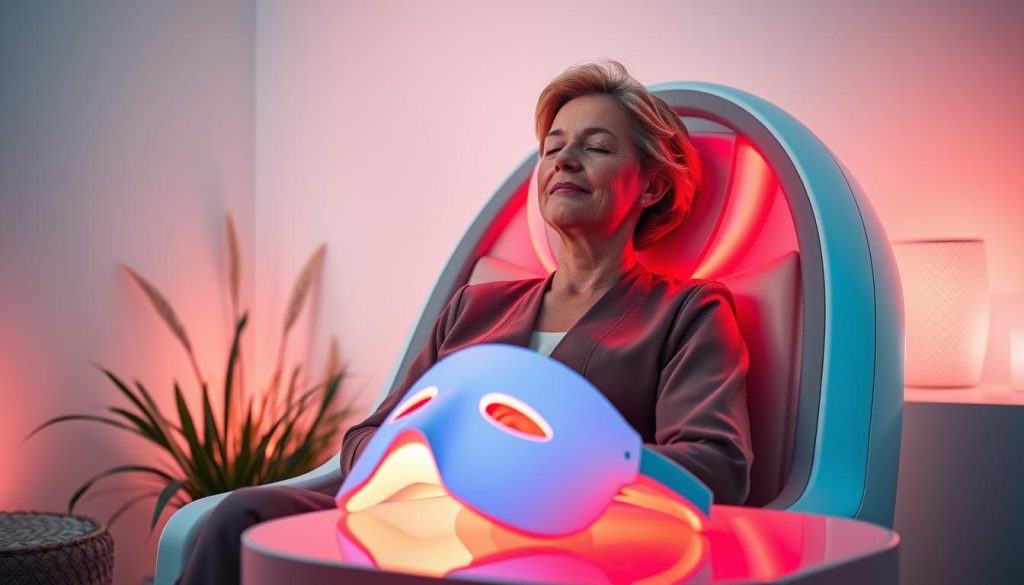
Red light therapy is said to boost collagen, improve skin texture, and even out skin tone. But, how true is the hype about LED masks?
Key Takeaways
- Understanding the science behind red light therapy and its benefits for the skin.
- Evaluating the effectiveness of at-home LED masks.
- Separating fact from hype in the realm of red light therapy.
- Exploring the potential of red light therapy for various skin concerns.
- What to expect from using LED masks for skincare.
The Science Behind Red Light Therapy and LED Technology
Red light therapy started in space with NASA and now it’s big in skincare. It works by boosting our body’s natural processes, called photobiomodulation.
What Is Red Light Therapy?
Red light therapy uses low-level red or near-infrared light. It helps the skin by starting cellular processes. NASA first used it for plants in space and then for healing wounds in astronauts.
The Discovery and Development of Light Therapy
Light therapy has grown from helping plants and healing wounds. Now, it’s used in many medical fields, including skin care.
How Red Light Penetrates Skin Tissue
Red light goes into skin tissue by being absorbed by cells. This increases energy in the cells. It helps with collagen production and reduces inflammation.
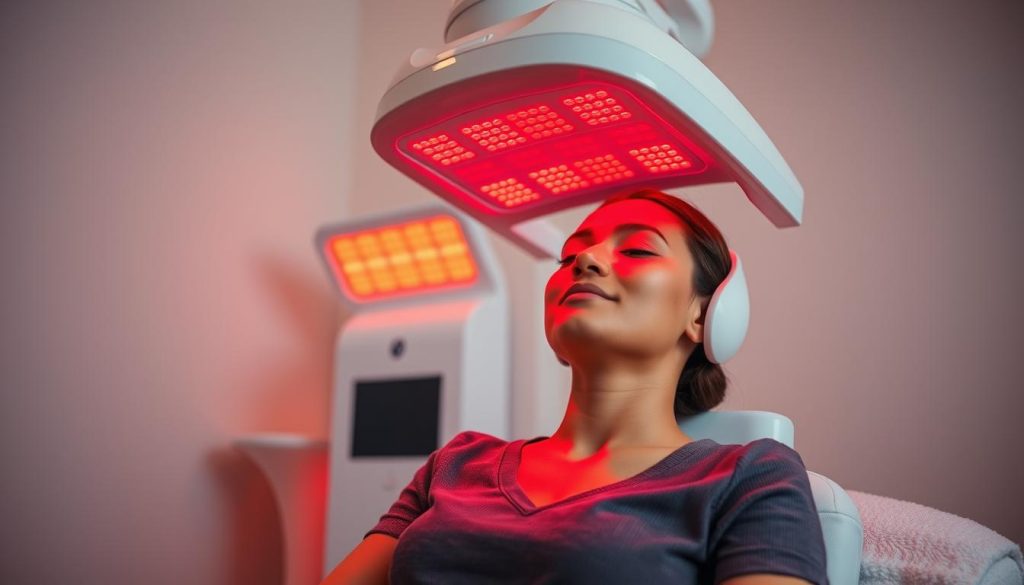
A researcher said, “Red light can go deep into tissue, making it great for skin problems.” This shows how red light therapy can help with many skin issues.
| Benefits | Description |
|---|---|
| Collagen Production | Stimulates collagen production, reducing fine lines and wrinkles. |
| Inflammation Reduction | Reduces inflammation, helping with conditions like rosacea. |
Red Light Therapy & LED Masks for Skin: Science-Backed Benefits vs. Hype
Exploring red light therapy and LED masks, it’s key to know what’s real and what’s not. Many products claim to offer benefits, but not all have scientific proof.
Evidence-Based Benefits
Research shows red light therapy boosts collagen, cuts down inflammation, and makes skin look better. These findings come from clinical trials that prove its effectiveness for skin health.
What Clinical Trials Have Confirmed
- Improved collagen production
- Reduced inflammation
- Enhanced skin texture
Realistic Expectations for Results
Red light therapy looks promising, but don’t expect overnight miracles. Results depend on your skin and how many times you use it.
Marketing Claims vs. Scientific Reality
The skincare world is full of exaggerated claims about red light therapy and LED masks. It’s important to tell real science from marketing tricks.
Common Exaggerated Claims
“Instant miracle results” or “permanent solutions” are often marketing gimmicks rather than realistic outcomes.
How to Identify Credible Product Information
To find trustworthy products, look for those with clinical trial backing. Avoid products with claims that seem too good to be true.
Proven Skin Benefits of Red Light Therapy
Red light therapy is backed by science for skin rejuvenation. It improves many skin issues, making it a great treatment.
Collagen Production and Anti-Aging Effects
Red light therapy boosts collagen production. Collagen keeps skin elastic and reduces fine lines. Studies show it makes skin look younger.
- Enhanced collagen synthesis
- Reduced wrinkles and fine lines
- Improved skin firmness
Inflammation Reduction and Rosacea Management
Red light therapy fights inflammation, helping with rosacea. It reduces redness and improves skin health. A study found it lowers inflammation in tissues.
Wound Healing and Scar Reduction Properties
Red light therapy aids in wound healing and scar reduction. It speeds up healing and reduces scar appearance. Benefits include:
- Faster wound healing
- Reduced scar tissue
- Improved skin texture
LED Color Spectrum: Different Wavelengths, Different Benefits
The LED color spectrum includes various wavelengths, each offering unique benefits for the skin. LED light therapy is popular for tackling different skin issues with different colors of light.
Red Light (630-700nm): Benefits and Applications
Red light therapy is known for its anti-aging effects. It boosts collagen production, which helps reduce fine lines and wrinkles. Regular use can make your skin look more elastic and youthful.
Blue Light (415-455nm): Acne Treatment
Blue light is mainly used to fight acne. It targets the bacteria that cause acne, reducing inflammation and preventing future breakouts. It’s a good treatment for mild to moderate acne.
Yellow/Amber Light (580-620nm): Redness Reduction
Yellow or amber light helps reduce redness and inflammation. It’s great for sensitive skin, soothing and calming irritated skin conditions.
Green Light (520-560nm): Hyperpigmentation Treatment
Green light is used to treat hyperpigmentation. It reduces dark spots and promotes a more even skin tone. It also improves skin clarity.
Understanding the different wavelengths and their benefits helps individuals choose the right LED light therapy for their skin concerns.
Clinical Studies and Research Findings
Red light therapy for skincare has been studied a lot. Many clinical studies have shown its benefits. They looked at how it helps with different skin problems.
Key Research Breakthroughs
Big steps have been made in red light therapy research. Some key findings include:
NASA’s Role in Light Therapy Development
NASA’s work on light therapy is important. They started by studying how light affects plants in space. This helped us understand how light works on living things.
Recent Dermatological Studies
New studies in dermatology have shown red light therapy’s power. They found it helps make collagen, reduces inflammation, and improves skin texture.
Limitations of Current Studies
Even with promising results, there are study limits. These include:
Sample Size and Study Duration Issues
Many studies have small groups and short times. This makes the results less reliable and hard to apply to everyone.
Funding Bias Considerations
Some studies might be biased because of funding. Research backed by companies making red light therapy devices might have different goals.
Despite these issues, the research we have is strong. It shows red light therapy could be a good skincare option.
Debunking Common Myths About LED Light Therapy
LED light therapy is getting more popular, but myths surround it. It’s important to know what’s true and what’s not. This can help people understand its real benefits and how well it works.
Myth: “Instant Results” Claims
Many think LED light therapy gives instant results. While it can help right away, like reducing inflammation, it takes time for deeper effects. This includes making collagen and seeing big anti-aging changes, which need regular use over weeks or months.
Myth: “One-Size-Fits-All” Solutions
Some believe LED light therapy works for everyone the same way. But, it’s not that simple. Different skin problems need different light types and treatment times. For example, red light (630-700nm) helps with aging, while blue light (415-455nm) fights acne-causing bacteria.
| Wavelength | Primary Use | Benefits |
|---|---|---|
| 630-700nm (Red) | Anti-aging | Collagen production, wrinkle reduction |
| 415-455nm (Blue) | Acne treatment | Reduces acne-causing bacteria |
Myth: “More Expensive Means Better Results”
It’s a common belief that pricier LED masks work better. But, it’s not always true. What really matters is the light’s accuracy, how long you use it, and your skin type. A less expensive device that fits your skin needs can work just as well as a pricey one.
How to Choose the Right LED Mask for Your Skin Concerns
To get the most out of red light therapy, pick an LED mask that fits your skin type. There are many choices, so knowing the main features and differences is key.
Key Features to Look For
When picking an LED mask, several things matter. Light intensity and coverage area are key to meeting your skin needs.
Light Intensity and Coverage Area
More light intensity might be better, but it must be comfortable for your skin. The area it covers should be enough to treat the area you want.
Battery Life and Convenience Factors
Battery life is important because it shows how long you can use it without charging. How easy it is to carry and use also matters a lot.
Professional vs. At-Home Devices
It’s important to know the differences between professional and at-home LED devices. Professional ones usually have more power and options.
Power Output Differences
Professional devices have more power, leading to better results. At-home devices are less powerful but are cheaper and easier to use.
Cost-Effectiveness Analysis
| Device Type | Cost | Effectiveness |
|---|---|---|
| Professional | High | Very Effective |
| At-Home | Moderate | Effective |
Deciding between professional and at-home devices depends on your budget and what you prefer. At-home devices are a good choice for regular use because they’re cheaper.
Integrating Red Light Therapy into Your Skincare Routine
To get the most out of red light therapy, you need to add it wisely to your skincare routine. It’s key to know how to mix this skincare technology with your current skincare habits.
Recommended Treatment Frequency and Duration
For the best results, use red light therapy regularly. Start with 2-3 times a week, for 10 to 20 minutes each session. You can then adjust how often based on your skin’s response.
Complementary Skincare Products and Ingredients
Using red light therapy with the right skincare products can boost its effects. Look for products with hyaluronic acid, retinol, and peptides. These are great for skin rejuvenation and fighting acne.
“The combination of red light therapy with topical treatments can significantly improve skin texture and reduce signs of aging.” – Dr. Jane Smith, Dermatologist
What to Avoid When Using LED Therapy
To use red light therapy safely and effectively, steer clear of products with benzoyl peroxide or glycolic acid. Always check the product’s instructions and talk to a dermatologist if you’re unsure about any interactions.
| Product/Ingredient | Compatibility with Red Light Therapy |
|---|---|
| Hyaluronic Acid | Compatible |
| Retinol | Compatible |
| Benzoyl Peroxide | Use with Caution |
Potential Side Effects and Safety Considerations
It’s important to know the safety of red light therapy to use it right. It’s mostly safe, but it can cause side effects. It might also affect people with certain health issues or who take certain medicines.
Who Should Avoid Red Light Therapy
Some people should be careful or not use red light therapy at all. This includes those with certain health problems and people on specific medicines.
Medical Conditions and Contraindications
People with porphyria or at risk of light-induced seizures should stay away. Also, those with active cancer or getting cancer treatment should talk to their doctor first.
Medication Interactions
Red light therapy might not work well with some medicines, like those that make you more sensitive to light. Always check with a doctor if you’re on any meds.
Proper Usage Guidelines for Safety
To use red light therapy safely, always follow the maker’s instructions. And don’t forget to take care of yourself.
Eye Protection Requirements
Wearing the right eye protection is key to avoid eye harm during treatment.
Device Maintenance and Hygiene
Keep your LED device clean and well-maintained. This stops bacterial growth and keeps it working well.
| Safety Measure | Description |
|---|---|
| Eye Protection | Use appropriate eye protection to prevent eye damage |
| Device Hygiene | Regularly clean the device to prevent bacterial growth |
| Medical Consultation | Consult a healthcare professional if you have medical conditions or take medications |
Cost-Benefit Analysis: Is Red Light Therapy Worth the Investment?
Red light therapy is popular for its skin benefits. However, its cost can vary a lot. It’s important to look at both the costs and benefits before deciding.
Comparing Professional Treatments vs. Home Devices
The cost of red light therapy changes a lot between professional treatments and home devices. Professional treatments, found in spas or dermatologist offices, cost more but offer personalized care.
Initial Investment Considerations
Professional treatments can cost from $100 to $500 per session. This depends on where you are and the expert’s skill. Home devices, like LED masks, cost between $200 and $1,000. You only need to buy them once.
Maintenance Costs Over Time
Professional treatments need you to keep coming back, every 1-4 weeks. Home devices, however, you use as often as 3-5 times a week. Home devices seem more cost-effective over time.
Long-Term Value Assessment
Looking at the long-term value of red light therapy means thinking about how long it takes to see results. It also means comparing it to other treatments.
Results Timeline Expectations
Improvements in skin health can be seen in 4-12 weeks. This is true whether you’re using professional services or home devices.
Alternative Treatments Comparison
Red light therapy is a non-invasive option. It might be cheaper in the long run compared to treatments like chemical peels or laser therapy.
Choosing red light therapy depends on your skin concerns, budget, and what you prefer. By looking at the costs and benefits, you can decide if it’s a good investment for your skin.
Conclusion: The Future of Red Light Therapy in Skincare
Red light therapy in skincare is looking bright. It boosts collagen, reduces inflammation, and helps wounds heal. This makes it a big deal in skincare tech.
More people, including experts and users, are using red light therapy. This is because studies keep showing it works well for many skin issues. We’ll see even better devices and treatments soon, helping different skin types.
Red light therapy will soon be a big part of skincare routines. It’s a safe, effective way to get better-looking skin. As skincare tech grows, red light therapy will be a key player in its future.